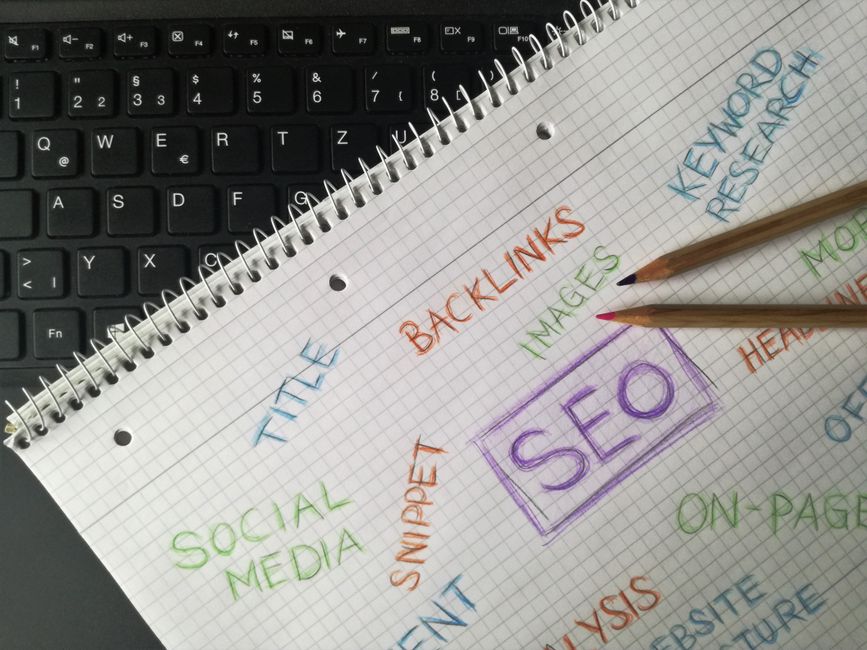

On-page SEO is everything you control on the page itself — the words, the structure, and the signals that tell search engines what your content is about. Get it right and you make every other marketing effort work harder. This checklist walks through the elements that move the needle, in the order we tackle them for our own clients.
Start with search intent
Before optimizing a single tag, ask what the searcher actually wants. Someone typing “best running shoes” wants a comparison, not a product page. Match the format of your page to the intent behind the keyword, or no amount of tweaking will rank it. Look at the pages already ranking on page one — they are a live map of what Google thinks the intent is.
Nail the title tag and meta description
Your title tag is still one of the strongest on-page signals. Put the primary keyword near the front, keep it under about 60 characters, and make it something a human wants to click. The meta description does not directly affect rankings, but a compelling one lifts click-through rate, which matters. Write it like ad copy: a benefit, the keyword, and a reason to click, in around 150 characters.
Structure content with headers
Use one H1 (usually your post title), then organize the body with H2s and H3s. Headers help readers scan and help search engines understand your content hierarchy. Work your keyword and its natural variations into a few headers — but write for people first. Keyword-stuffed headers read badly and can hurt you.
Optimize images and page speed
Every image should have descriptive alt text and a compressed file size. Large, unoptimized images are the most common cause of slow pages, and speed is a ranking factor as well as a conversion factor. Aim for images under 150 KB where possible and lazy-load anything below the fold.
Build a smart internal linking structure
Internal links spread ranking power around your site and guide readers to the next logical step. Link from this article to your most important commercial pages using descriptive anchor text — for example, pointing readers who want hands-on help to your SEO and digital marketing services. A page with zero internal links pointing to it is a page Google may never prioritize.
Cover the topic thoroughly
Thin content rarely ranks. That does not mean padding for word count — it means answering the question completely, including the follow-up questions a reader would naturally have. Use the “People also ask” boxes and related searches as a content outline. Depth signals expertise, and expertise is what earns rankings and links.
Put it into practice
Work through this checklist one page at a time, starting with the pages closest to converting a customer. On-page SEO compounds: small, consistent improvements across many pages add up to meaningful traffic gains over a few months. If you would rather have it handled end to end, our team can audit and optimize your pages for you — get in touch for a quote and we will map out the quickest wins first.